


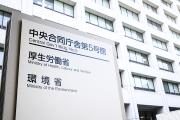
Japan’s Ministry of Health, Labor and Welfare (MHLW) on March 5 unveiled the revised NHI prices for drugs subject to…

To read the full story
Japan’s Ministry of Health, Labor and Welfare (MHLW) on March 5 unveiled the revised NHI prices for drugs subject to…
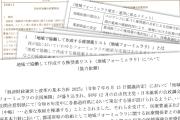
Japan is ramping up its push to spread regional formularies nationwide, a policy expected to standardize treatments, strengthen supply resilience,…
We had just gotten off a call with a client in Europe, and we’d received a bit of an earful. “Philip,” the client pressed, “what can this candidate bring to us? We know what he does, but what has he…

Japan’s Central Social Insurance Medical Council (Chuikyo) on November 5 approved the reimbursement listing for a slate of new medicines,…

The Japanese government on March 7 announced new NHI prices to be applied in the FY2025 drug price revision, revealing…

The Japanese government approved a bill to amend the Pharmaceuticals and Medical Devices (PMD) Act at its Cabinet meeting on…

Japan’s health ministry doled out regulatory approvals for a throng of new medicines on December 27 including Eli Lilly’s obesity…

Japan’s all-important reimbursement policy panel on December 20 approved an outline of drug pricing reforms for FY2024, which enshrines a…
We use cookies to collect browsing data in order to enhance user experience and analyze site usage. For more information, please see our Cookie Policy.